


LineLeap
3.562.00 Reviews
App Specs
- Version
- 9.21.0
- Updated On
- License
- Free
- Downloads
- 50,000+
- Developer
- Line Services
- Categories
- Events
- Platform
- Android
Screenshots
 Analysis by AppCompare
Going out is usually simple until the queue, cover charge, drink purchase, and last-minute change of plans all collide. LineLeap is an Events app built around that awkward part of a night: it lets me handle available line-skip passes, drinks, cover, and related purchases for participating bars and clubs from my phone. I found it most useful when I already knew where I wanted to go and wanted to reduce a little friction before arriving.
That distinction matters. This is not a general nightlife guide, a social network, or a universal ticket wallet. Its value depends on the venues and offers available in the area I am visiting. When the right location appears, the app can turn several small decisions into one preparation step. When it does not, it becomes much less interesting than simply checking a venue’s own information or paying at the door.
The app is free to download, comes from Line Services, and is intended for mature users aged seventeen and over. It has passed the fifty-thousand-install mark and holds a 3.4 average from roughly ninety-nine ratings, with about sixty-two written reviews. Those numbers suggest a useful but uneven experience rather than a flawless essential. I would describe it as a practical tool for a specific kind of night out, not something I would keep open every day.
How I use LineLeap before and during a night out
I use LineLeap as a short planning step, not something to manage the whole evening: first I settle on a venue, then check whether its available purchase fits the group, and only then complete checkout. During the night, keeping the confirmation easy to find helps me avoid turning a quick door check into a phone search. The next section looks at where that simple routine can still snag.
The basic workflow is simple, but timing matters
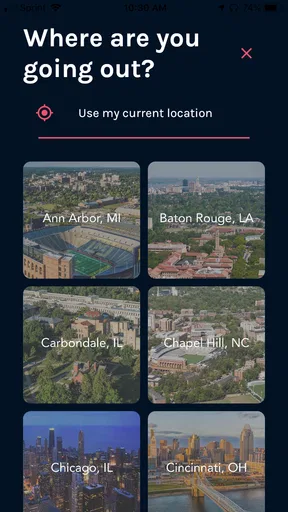
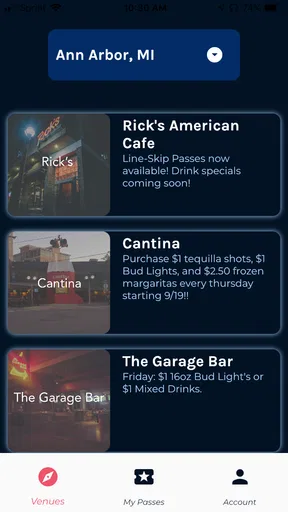
My normal routine starts before leaving home. I open the app, look for the city or venue area that matches my plans, and check what can actually be purchased. The important habit is to browse first rather than assume every club offers the same options. One place may emphasize entry, while another may show a drink or line-related option. Treating the app as a local menu rather than a universal pass prevents disappointment.
Once I find the venue, I read the offer carefully and make sure it matches the plan for the evening. A line-skip purchase is only useful if I am going to that specific place, at the relevant time, with the people who need it. I would not buy something merely because it looks convenient and then decide where to go later. The app works best when it supports a decision I have already made.
The purchase flow is the central experience. I select the available item, review what I am getting, and complete the transaction inside the app. I then keep the resulting confirmation easy to reach. My practical advice is to avoid burying it under a crowded notification screen or closing the app immediately after paying. At a busy entrance, the difference between finding the confirmation quickly and searching through a phone can be surprisingly noticeable.
Worth Reading Before You Choose

EA SPORTS FC Mobile 26 Is a Bigger Football Game, but It Takes Time

Flipboard Shows What News Apps Must Do Beyond the Feed

Switching to Android Auto Means Rethinking Your Driving Routine

Google Calendar Makes a Crowded Week Easier to Manage

Ludo King Makes the Most of the Minutes Between Plans

Baby Panda World Brings Quick Play to Modern Phones, but Its Game Library Feels Busy
This is also where I would set expectations with friends. If only one person buys an entry-related option, that does not automatically solve the whole group’s arrival. I check who is covered and who still needs to pay separately. That small conversation is one of the most useful habits with a venue-purchase app because it avoids the common mistake of assuming one digital transaction applies to everyone.
A realistic use case: making a crowded evening less chaotic
Imagine meeting friends downtown on a busy night. Everyone is arriving at a different time, nobody wants to stand outside for long, and the group is deciding between two clubs. I would use LineLeap while the plan is still flexible: first compare the available venue options, then confirm the group’s choice, then purchase only what is clearly needed. After that, I would send the venue name and arrival plan to the group rather than expecting everyone to interpret the app individually.
The benefit is not just skipping a line. It is reducing the number of decisions made at the entrance. A friend who arrives late can know whether the group has already handled cover or whether they should be ready to pay separately. Someone who only wants a drink-related purchase can make that choice without holding up everyone else. The app is at its best when it acts as a preparation layer for a coordinated night.
There is a trade-off, though. Preparing in advance can make the evening smoother, but it can also make the group less spontaneous. If the venue changes, a purchase selected for the first plan may no longer be useful. I therefore use the app after agreeing on the destination, not while the group is still debating every possibility.
Settings and phone habits worth checking
I would not describe LineLeap as a complicated app, so the most valuable “settings” are really the phone and account habits around it. I keep the app updated and check that it runs on my device, since the listed minimum requirement is Android 7.0. I also make sure I can access the account and payment method before reaching the venue. A crowded sidewalk is a poor place to discover that I need to reset a password or verify a card.
Notifications deserve a quick review. If I want purchase confirmations or important updates to be visible, I allow the relevant app notifications and make sure the phone is not silencing them during the night. At the same time, I avoid treating every notification as urgent. The useful approach is selective: keep transaction-related messages accessible, but do not let a stream of alerts distract from the actual venue plan.
I also check battery and connectivity before leaving. This is not a special LineLeap feature; it is a practical requirement for any mobile purchase or digital confirmation. A low battery can turn a convenient pass into a stressful conversation at the door. I often save the confirmation where it is easy to retrieve and keep a backup view of the important details on the phone. That does not replace following the venue’s instructions, but it makes the handoff faster.
Privacy is another reason to be deliberate. Because this app is connected to nightlife purchases, I use it only when I understand what I am selecting and where the transaction is going. I avoid rushing through screens simply because friends are waiting. The fastest tap is not always the safest tap, especially when several venue options look similar.
Repeatable patterns that make the app faster
Experienced use comes from repeating the same small routine. I start by choosing the venue, then checking the exact purchase type, then confirming the group arrangement, and only after that completing payment. Keeping those steps in the same order reduces accidental purchases and makes it easier to explain the plan to friends.
Another useful pattern is to separate discovery from checkout. I browse the available choices once, close the conversation with the group, and return to purchase only after the destination is settled. This is faster than opening and closing several venue pages while people are waiting. It also makes the app feel less like a source of indecision and more like a short checkout tool.
I pay attention to the difference between saving time and merely moving the wait somewhere else. A line-skip option may improve arrival, but it does not necessarily remove every step of entry. I still expect staff instructions, identity checks, venue capacity decisions, or other ordinary door procedures. The sensible mindset is “possibly faster access,” not “guaranteed instant entry.” That distinction keeps expectations realistic.
For groups, I recommend one person taking responsibility for the shared plan while each individual remains clear about their own purchase. This avoids duplicated orders and prevents the group from assuming that a single phone is the only proof of everyone’s arrangement. It is a small organizational improvement, but it matters more than searching for a hidden shortcut inside the app.
I also review the selected venue immediately before leaving, especially if the plan was made earlier in the day. Nightlife arrangements change quickly. A final check helps me avoid arriving at the wrong place or relying on an option that no longer fits the evening. The app cannot make an uncertain plan certain; it can only make a confirmed plan easier to carry out.
Where the convenience has limits
The biggest limitation is coverage. LineLeap is useful only when the bar or club I want is represented with a suitable option. If my preferred venue is not available, the app cannot replace direct venue information, a normal ticket service, or payment at the door. This makes it more location-dependent than broad event platforms that cover concerts, sports, exhibitions, and many other types of bookings.
It is also not the right tool for someone who wants detailed nightlife discovery. I would not open it expecting long editorial descriptions, a full calendar of every local event, or a deep comparison of music, atmosphere, and crowd. Its focus is transactional. It helps with access and purchases connected to participating bars and clubs, but I still need another source if I am deciding where to go based on the experience itself.
Another limit is that convenience can depend on the venue’s own process. A digital purchase does not remove the need to follow staff directions. If the entrance is crowded or the venue has special requirements, the app cannot control that part of the evening. I see the service as one component of entry, not a promise that every operational detail will be smooth.
The 3.4 average rating reinforces my cautious view. I would not call that a reason to avoid the app automatically, but I would install it with practical expectations. It may be excellent for a particular venue and less useful elsewhere. The written feedback count also shows that people have had enough experience to form opinions, yet the overall score is not strong enough for me to recommend relying on it without checking the actual offer first.
The mature age classification is appropriate for its nightlife setting. I would not recommend it as a general-purpose app for younger users or for families looking for daytime events. Its natural audience is adults planning bar and club visits, and that narrow focus is part of both its usefulness and its limitation.
How it compares with the usual alternatives
Compared with paying at the door, LineLeap can be more convenient when a venue offers a helpful digital option and I want to organize the night before arriving. Paying directly remains better when the plan is uncertain, the group may change destinations, or I do not want to commit in advance. The traditional method has fewer app-related steps, even if it may involve more waiting.
Compared with a venue’s own website or social pages, LineLeap may provide a more direct purchase path for participating locations. The venue’s channels can still be better for checking hours, dress expectations, event details, or last-minute announcements. I use the two sources for different jobs: venue channels for context and LineLeap for the transaction when the option is available.
Compared with broad ticketing apps, LineLeap feels narrower but potentially more relevant to club entry and nightlife add-ons. A general ticket platform is the better choice for a concert, theater booking, festival schedule, or an event outside the bar-and-club world. LineLeap makes more sense when the problem is specifically getting into a participating nightlife venue or arranging a related purchase.
That narrowness is not automatically a weakness. A focused app can be quicker when it matches the exact situation. The mistake is expecting it to behave like a complete event marketplace. I judge it by whether it shortens a real nightlife task, not by whether it can replace every other event service.
What I would check before depending on it
Before installing it for a particular night, I would confirm that the intended venue appears and that the available purchase matches the group’s needs. I would also make sure the phone meets the Android requirement and that the device has enough battery and a working connection. These checks take little time and prevent the most avoidable problems.
I would not buy several options just to “cover every possibility.” That approach defeats the app’s main advantage because it turns a simple plan into a collection of uncertain purchases. Select the smallest arrangement that clearly fits the evening, keep the confirmation accessible, and ask venue staff if the entrance process is unclear.
For repeat users, the best improvement is consistency rather than complexity. Use the same pre-departure checklist, keep group responsibilities clear, and review the venue choice before checkout. There is no need to hunt for imaginary advanced controls. The practical power comes from combining the app’s available purchase flow with sensible preparation.
My verdict after using it this way
LineLeap is a focused Events app that can make a night out easier when three conditions line up: the venue participates, the group has chosen its destination, and the digital purchase genuinely solves an arrival problem. I like it for that narrow purpose. It can reduce last-minute handling of cover, drinks, or line-related access and gives a group a clearer plan before reaching the door.
I would skip it if I wanted broad event discovery, detailed venue research, or complete flexibility to change plans at any moment. I would also avoid depending on it blindly when the venue’s own instructions are unclear. In those situations, direct payment or the venue’s official channels may be simpler and more dependable.
The current version is 9.21.0, and the app remains free to download, but the real cost and value come from the individual purchases shown for the selected venue. I treat it as a convenience layer, not as a guarantee of a perfect entrance. That honest framing makes the experience better: check the offer, coordinate the group, prepare the phone, and use the app only when it clearly improves the plan.
My final recommendation is conditional but positive. If you regularly visit participating bars and clubs, it is worth trying because the workflow is straightforward and the benefit can be immediate. If your nights are spontaneous or centered on events outside nightlife venues, it will probably sit unused. Use it to remove a specific point of friction, not to replace your entire evening-out toolkit.
Pros
- Quickly finds nearby bars
- clubs
- and event venues
- Mobile ordering can reduce waiting in busy venues
- Supports digital cover charges and ticket purchases
- Venue details and event information are easy to browse
- Useful for discovering nightlife options in unfamiliar cities
Cons
- Availability depends heavily on participating venues and locations
- Service fees may increase the final cost of purchases
- Event details can change without immediate user awareness
- Some features require creating an account and sharing personal data
- Refund and cancellation policies may vary by venue
FAQs for LineLeap
What is LineLeap and how does it work?
LineLeap is a nightlife and event-focused mobile app that helps users discover participating venues, purchase digital passes or cover charges, and sometimes access perks such as faster entry, drink specials, or event tickets. After downloading the app, you typically browse available locations and events, select an offer, complete payment, and present the in-app confirmation or QR code when you arrive. Availability and features can vary by city and venue.
Is LineLeap available in every city and at every bar or event?
No. LineLeap’s coverage depends on partnerships with local bars, clubs, festivals, and event organizers, so the selection can differ considerably between locations. Before downloading or purchasing anything, allow the app to access your location or search your destination manually to check whether nearby venues are supported. An offer shown in one city may not be available in another, and participating venues can change over time.
How do I use a LineLeap pass or ticket at a venue?
After purchasing a pass or ticket, open the relevant order in the LineLeap app and follow the instructions provided for that venue. Staff may scan a QR code, verify your name, or ask to see the digital confirmation on your phone. Make sure your device is charged and that you can access the order before reaching the entrance. Some offers are valid only during specific hours or on a particular date.
Can I get a refund or transfer a LineLeap purchase?
Refund, cancellation, and transfer policies are not necessarily the same for every LineLeap offer because they may be determined by the venue or event organizer. Review the terms shown during checkout and in your order confirmation before paying. Some purchases may be nonrefundable, while others could qualify for support if an event is canceled or substantially changed. Contact LineLeap support or the venue promptly when an issue occurs.
Is LineLeap safe to use, and what should I know before downloading it?
LineLeap is designed to provide digital access to participating nightlife and event venues, but users should still review each offer carefully before making a purchase. Check the venue’s age requirements, dress code, entry deadlines, included benefits, and any additional charges. Use the official Android or iOS store listing, keep the app updated, and protect your account and payment information. Remember that purchasing through the app does not always guarantee entry if venue rules or capacity limits apply.


